

Treatment
Treatment is about improving both your pet’s quality and length of life.
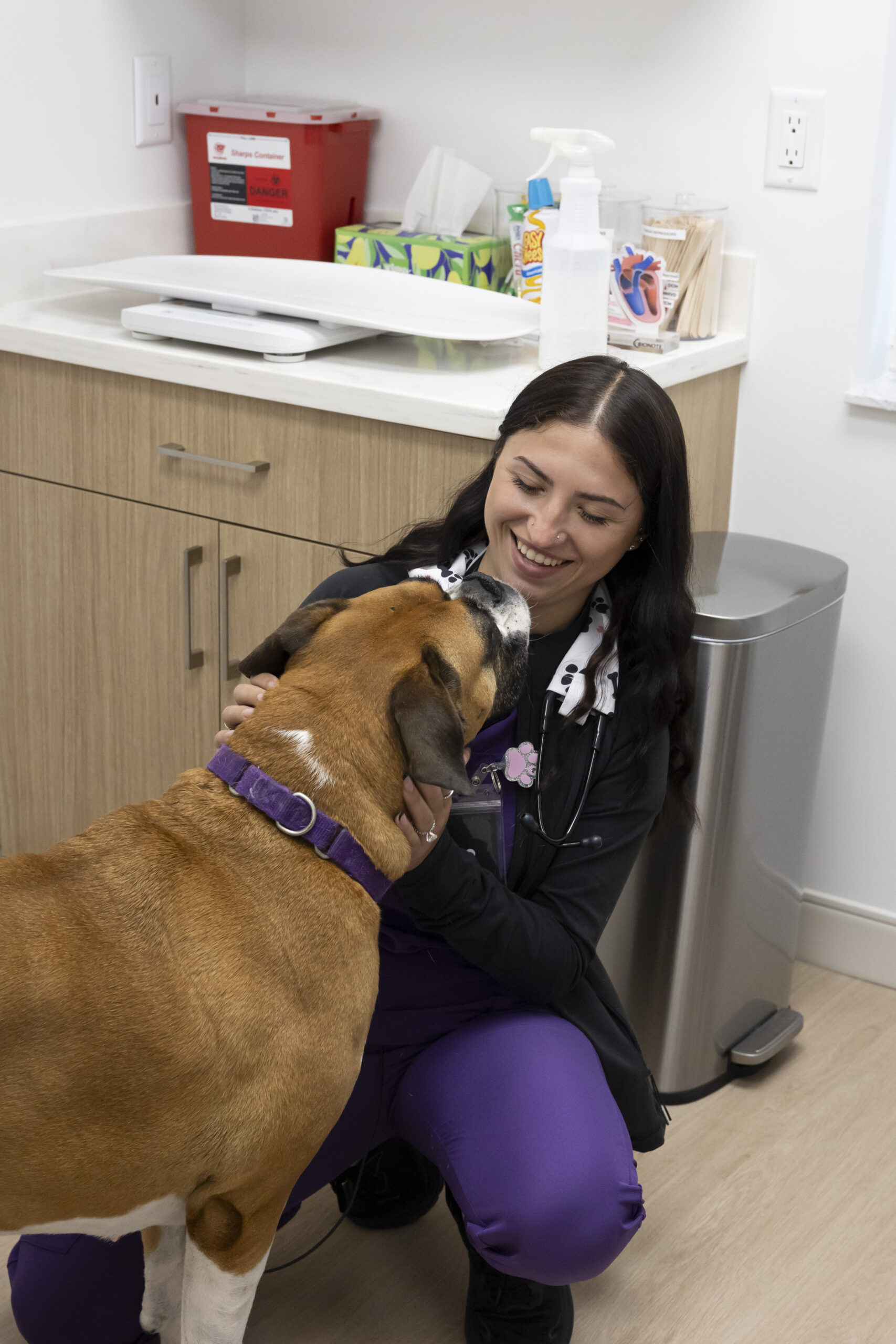
With a clear diagnosis, we tailor a plan to your pet’s specific needs. This may involve daily medication to ease symptoms, slow disease progression, and support heart function. We also offer advanced, minimally invasive procedures to correct structural problems, regulate heart rhythm, and relieve pressure on the heart.
Our goal is to give your pet the best chance at a longer, more comfortable life, and to support you with clear guidance every step of the way.
What To Expect During Treatment
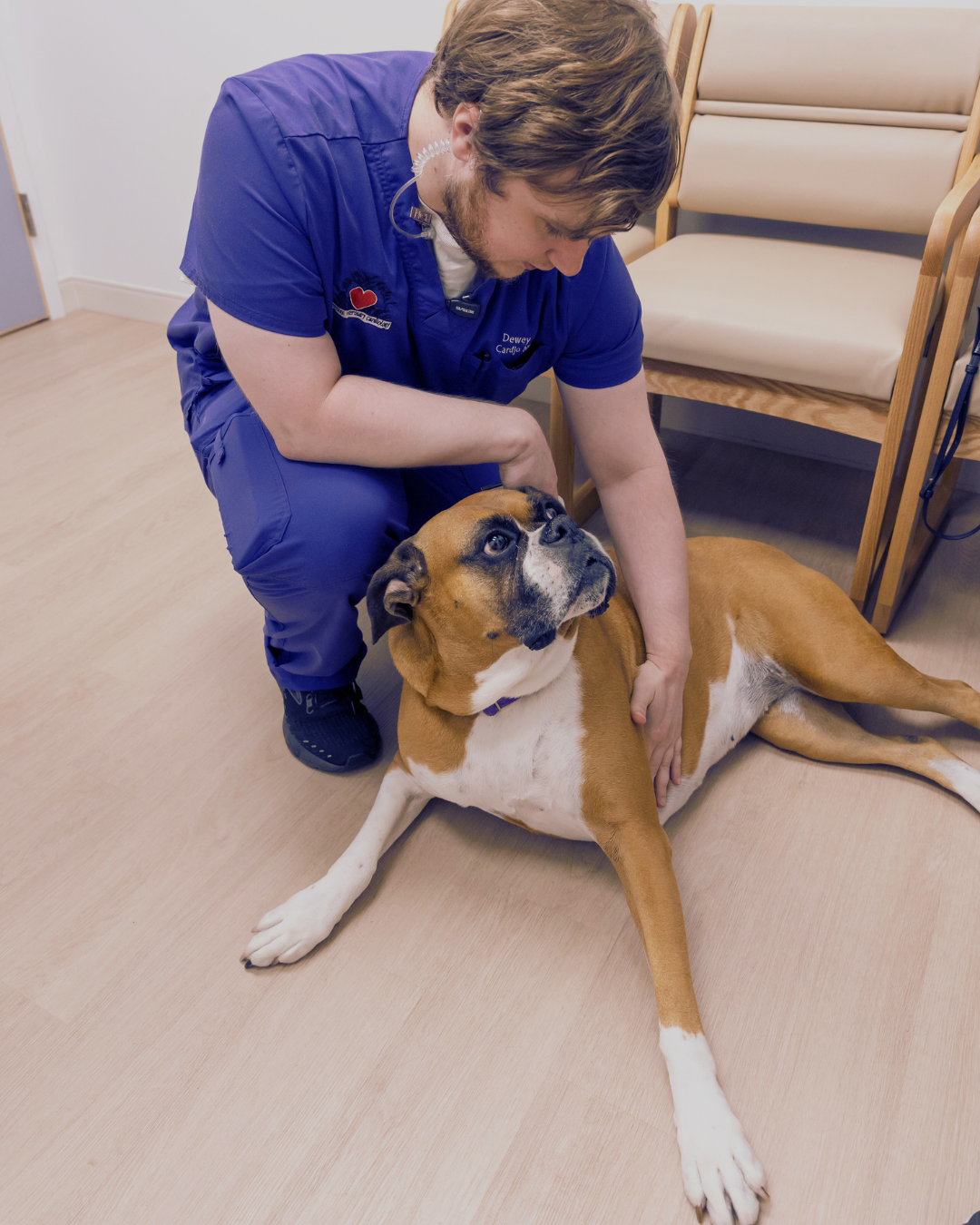
Starting treatment for your pet’s heart condition can feel overwhelming – but it doesn’t have to be confusing. Once a diagnosis is confirmed, we take the time to walk you through every aspect of your pet’s treatment plan, explaining why we’re recommending it, how it works, and what it means for your day-to-day life together.
Treatment Options
What Happens Next
If your pet is beginning medication, we’ll talk through exactly how and when to give it, what side effects to watch for, and how we’ll monitor progress. Most heart medications are given long-term, so we focus on helping you feel confident and supported in managing care at home.
If an interventional procedure is needed, we’ll guide you through it step by step – from what to expect on the day, to anaesthesia, recovery, and follow-up. These procedures are typically minimally invasive, with shorter recovery times and a focus on comfort. We’ll explain what your pet will experience, and how to prepare for the days before and after.
Throughout treatment, we stay closely involved. We’ll check in, adjust plans as needed, and remain available to answer questions or concerns as they arise. Our goal is to make sure you feel equipped, so that your pet receives expert care and you feel supported at every stage.
Cardiac Medications
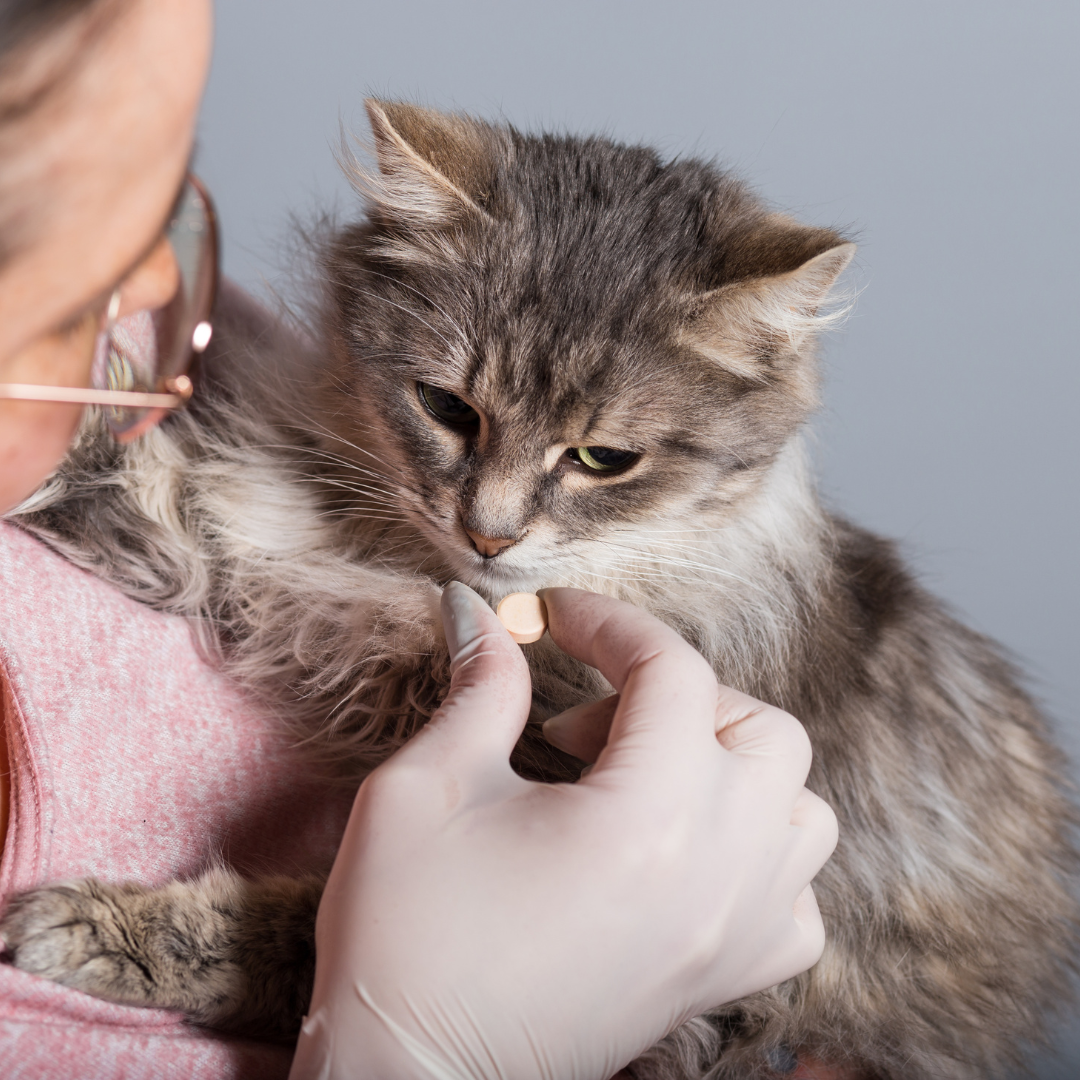
Medications play a vital role in managing heart disease—helping to ease symptoms, slow progression, and extend your pet’s quality of life. Most cardiac medications are given long-term, and plans are tailored to your pet’s specific condition, stage of disease, and response to treatment.
While starting medication can feel like a big step, many pets tolerate them well and go on to live active, comfortable lives with the right support. Ongoing check-ups and monitoring ensure treatments remain safe and effective as your pet’s needs evolve.
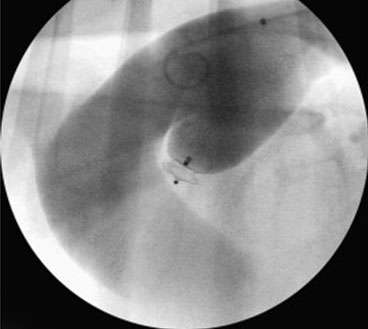
PDA Occlusion
A patent ductus arteriosus (PDA) is a congenital heart defect that, if left untreated, can lead to heart enlargement, fluid buildup, and eventually heart failure. Fortunately, in many cases, it can be corrected with a minimally invasive procedure known as PDA occlusion.
This technique allows us to close the abnormal vessel without open chest surgery – reducing risk, improving recovery, and preventing long-term damage. If your puppy or young dog has been diagnosed with a PDA, early intervention offers the best chance for a normal, healthy future.
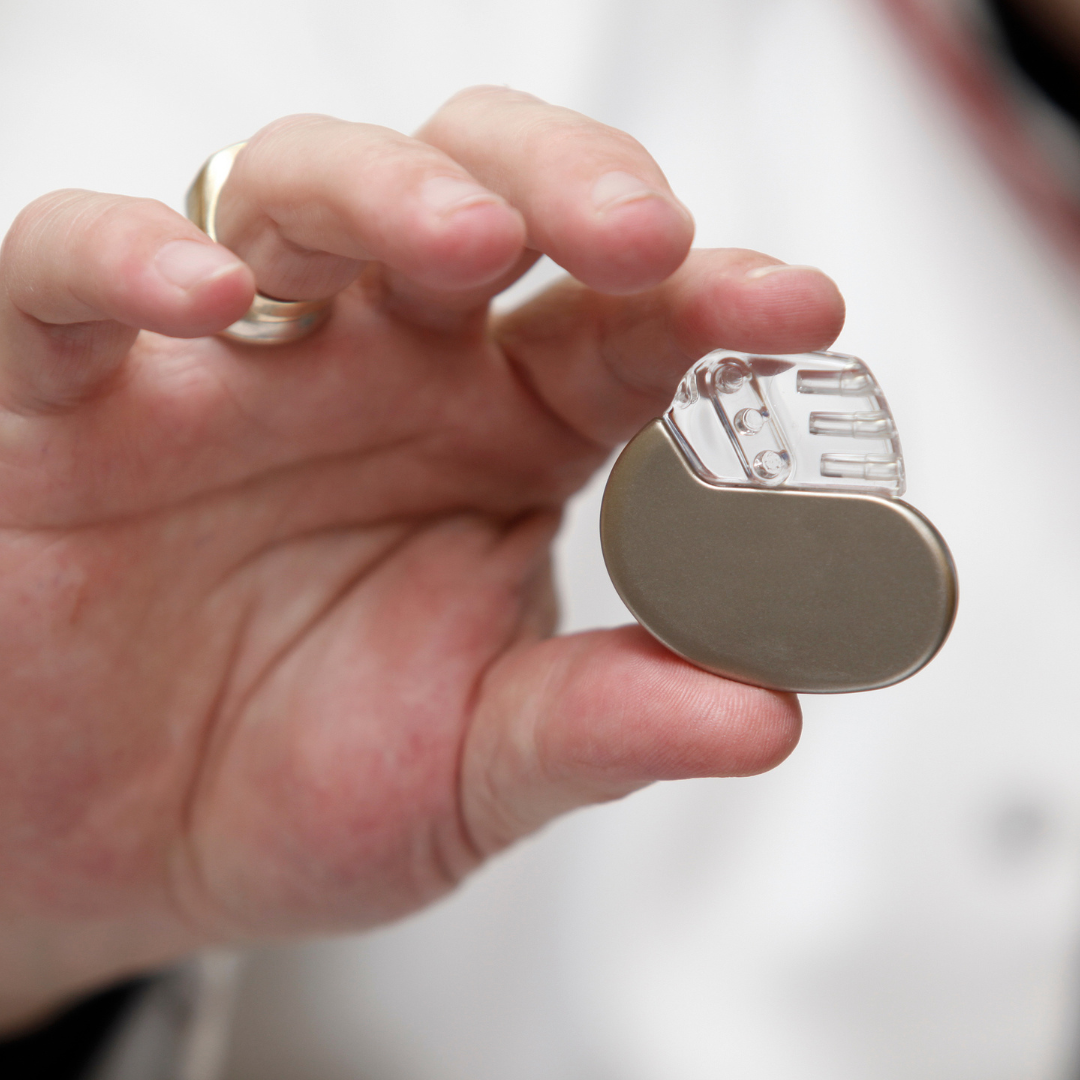
Pacemaker Implantation
For dogs with dangerously slow or irregular heart rhythms, a pacemaker can be a life-changing—and often life-saving—treatment. This small device helps regulate the heartbeat, preventing symptoms like fainting, weakness, or collapse.
At Sawgrass Veterinary Cardiology, we use a minimally invasive approach to pacemaker implantation, allowing for faster recovery and excellent long-term outcomes. If your dog has been diagnosed with bradycardia or heart block, a pacemaker may offer a safe, effective solution to restore their heart rhythm and help them return to a more active, comfortable life.
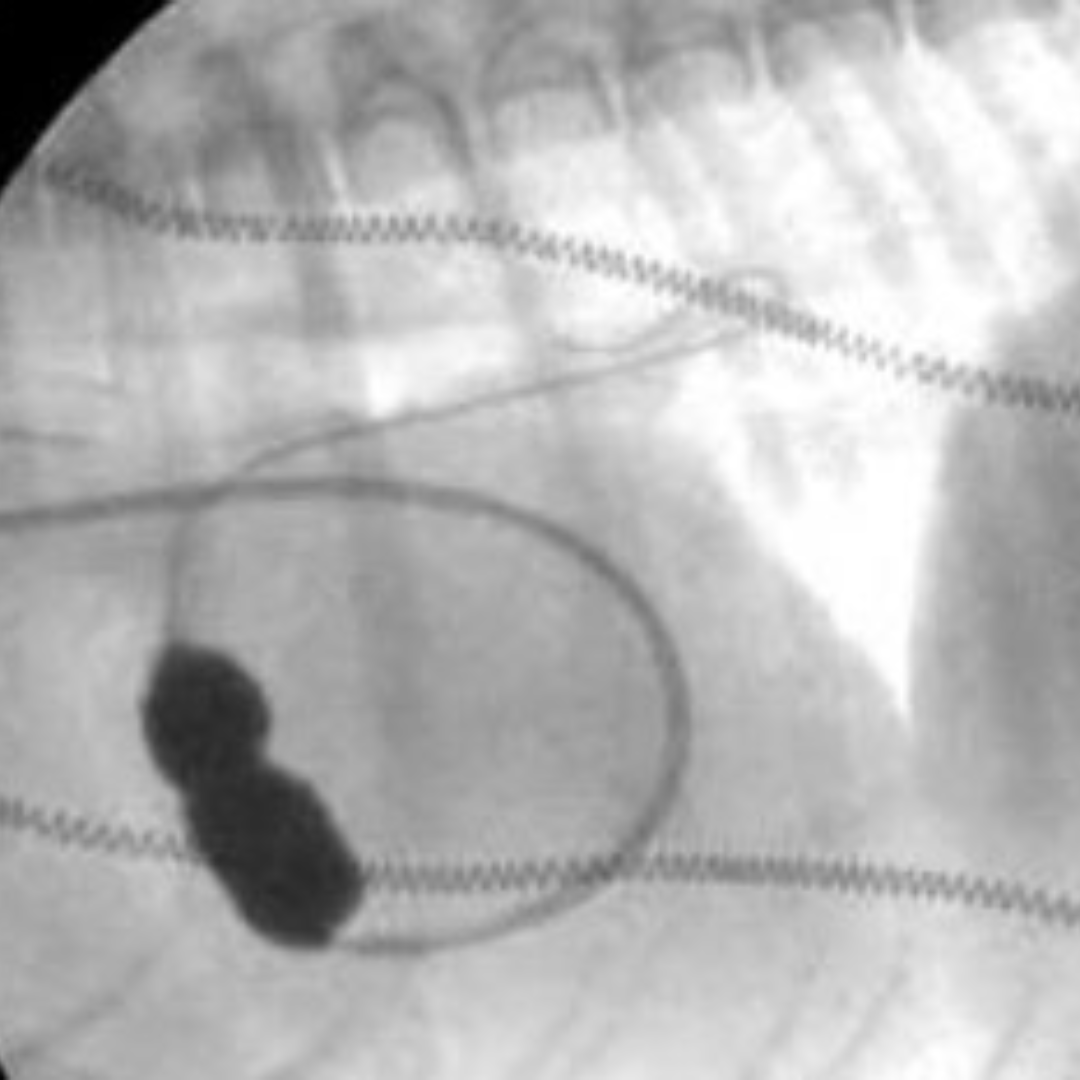
Pulmonic Balloon /Stent Valvuloplasty
Pulmonic stenosis is a common congenital heart defect that causes narrowing at or near the pulmonary valve, making it harder for the heart to pump blood to the lungs. Over time, this extra strain can lead to fatigue, fainting, or even heart failure.
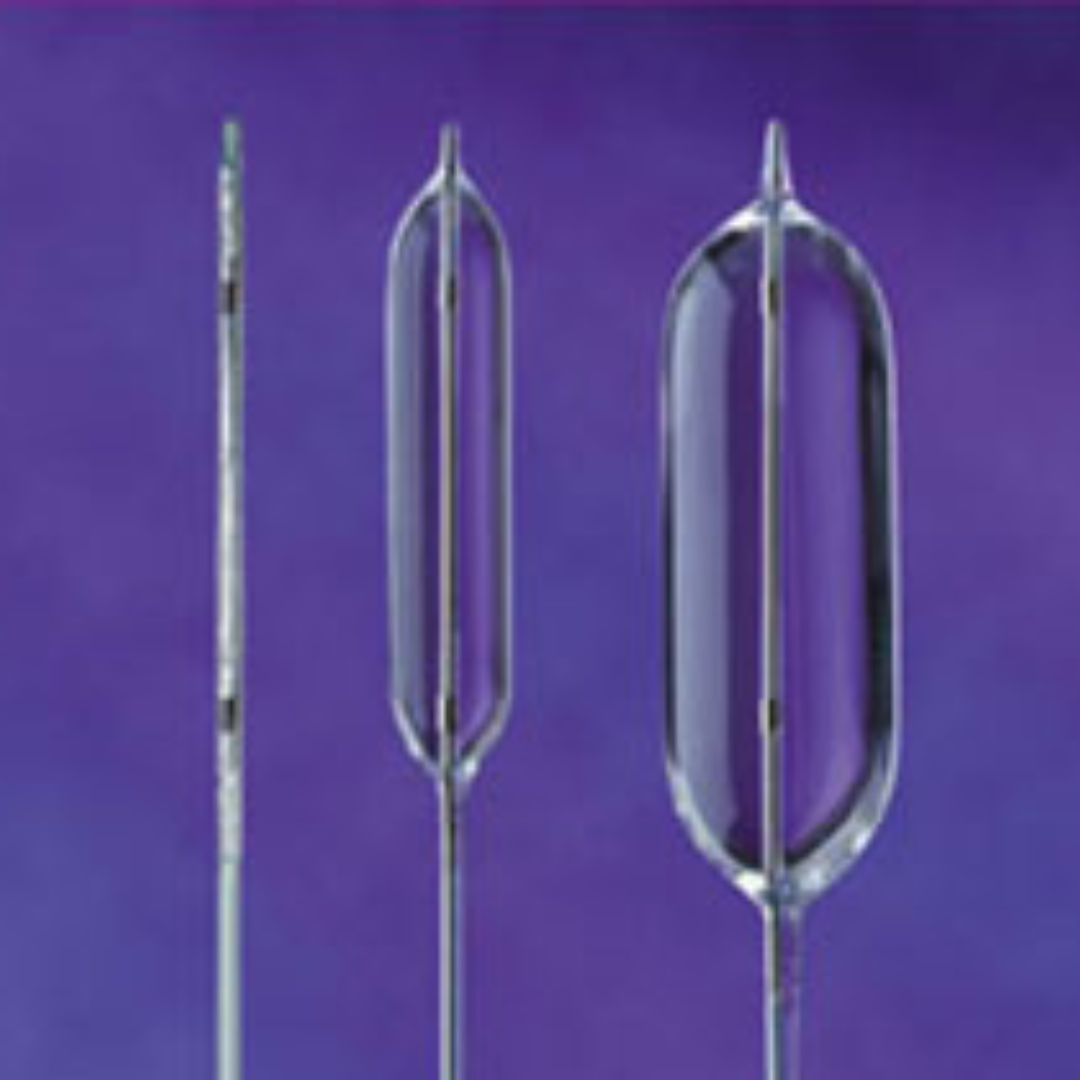
Balloon valvuloplasty is a minimally invasive procedure that uses a catheter-guided balloon to widen the narrowed area and improve blood flow. In more complex cases, a stent may be placed for lasting support. For dogs with pulmonic stenosis, this procedure can significantly reduce symptoms, ease cardiac stress, and improve long-term quality of life.
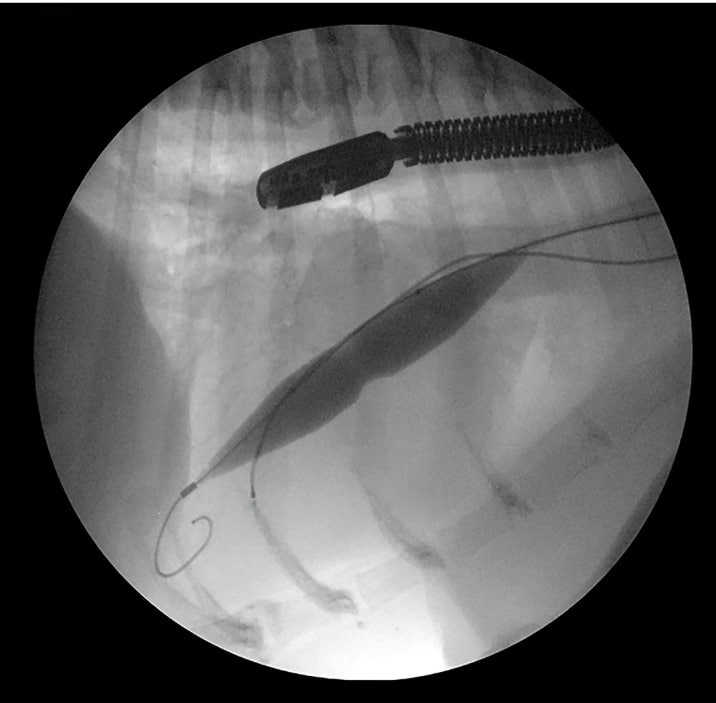
Aortic Balloon Valvuloplasty
Aortic stenosis is a congenital condition where the aortic valve or surrounding area is narrowed, forcing the heart to work harder to pump blood to the body. Over time, this can lead to reduced exercise tolerance, fainting, or even sudden cardiac events.
Aortic balloon valvuloplasty is a catheter-based procedure that gently stretches the narrowed valve, helping to relieve obstruction and reduce the heart’s workload. While not a cure, it can offer meaningful improvement in symptoms.
TEER Proceedure
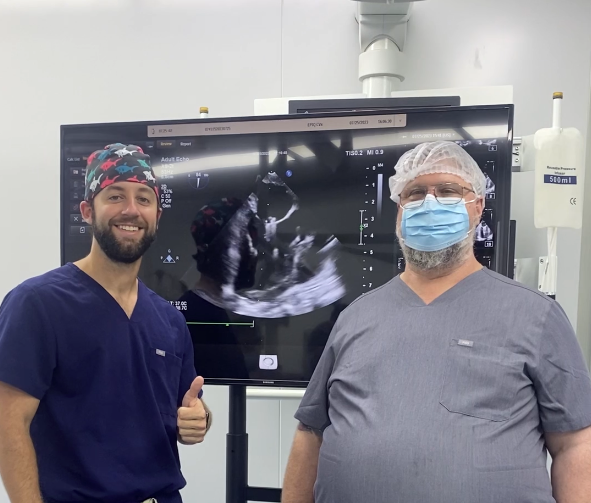
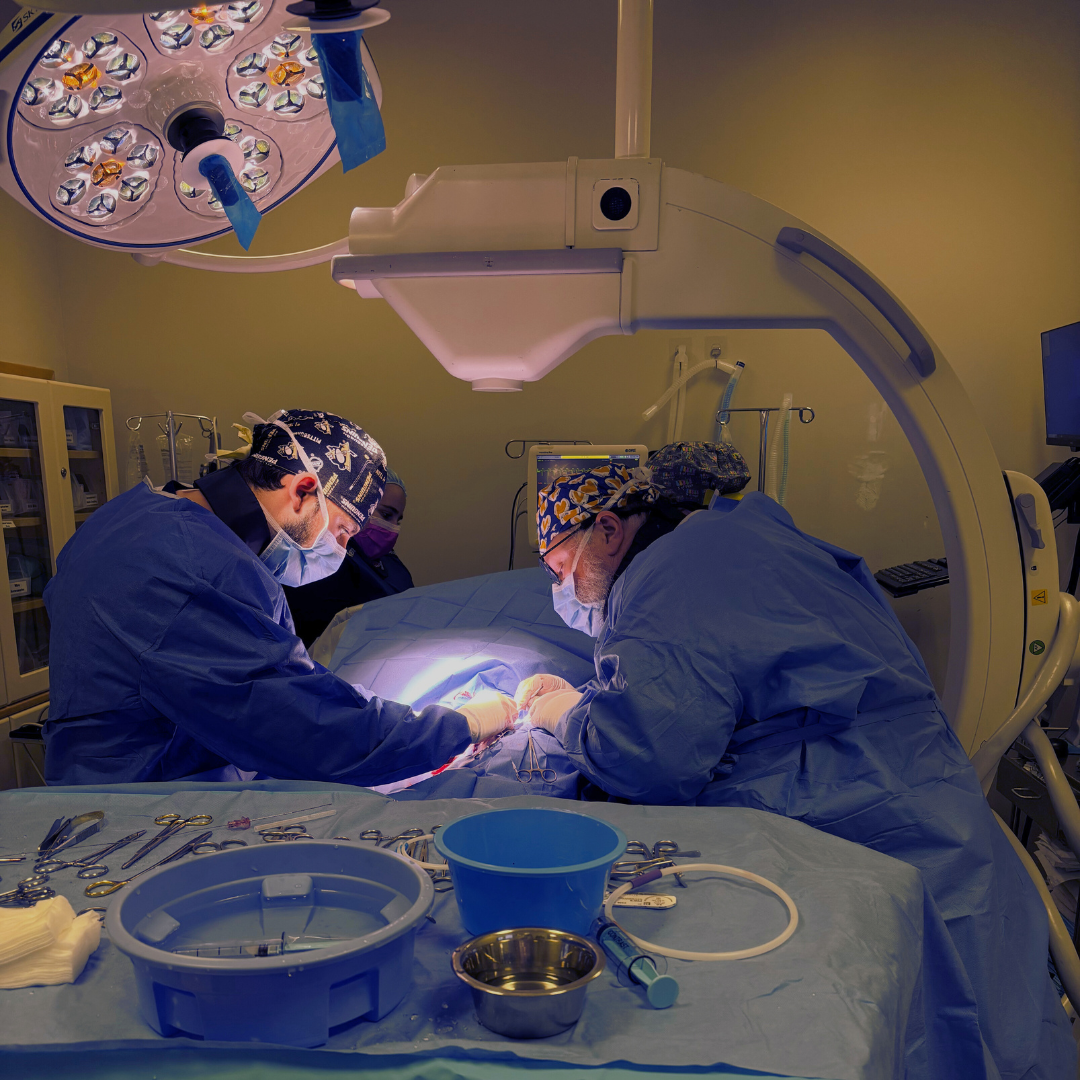
For dogs with myxomatousmitral valve disease (MMVD), the TEER procedure (Transcatheter Edge-to-Edge Repair) offers a groundbreaking, minimally invasive alternative to open-heart surgery. Using a catheter-based technique, TEER helps the valve close more effectively by gently clipping the leaflets together – reducing backward flow (regurgitation) and easing the strain on the heart.
This advanced procedure is best suited to carefully selected patients with advanced disease and can significantly improve symptoms, reduce hospitalizations, and extend quality of life when medical therapy alone is no longer enough.