
TEER Procedure
At Sawgrass Veterinary Cardiology, we’re proud to be the first practice in the southeast United States to offer the Transcatheter Edge-to-Edge Repair (TEER) Procedure — a groundbreaking, minimally invasive treatment for dogs suffering from Myxomatous Mitral Valve Disease (MMVD). This advanced procedure provides new options for pets who previously had limited pathways for care.
MMVD is one of the most common heart conditions in dogs, especially in small to medium breeds. Over time, it can lead to heart failure, reduced energy, coughing, and difficulty breathing. The TEER procedure is designed to reduce these symptoms by reducing the leakage at the valve — without the need for open-heart surgery.
Pioneering TEER In The United States
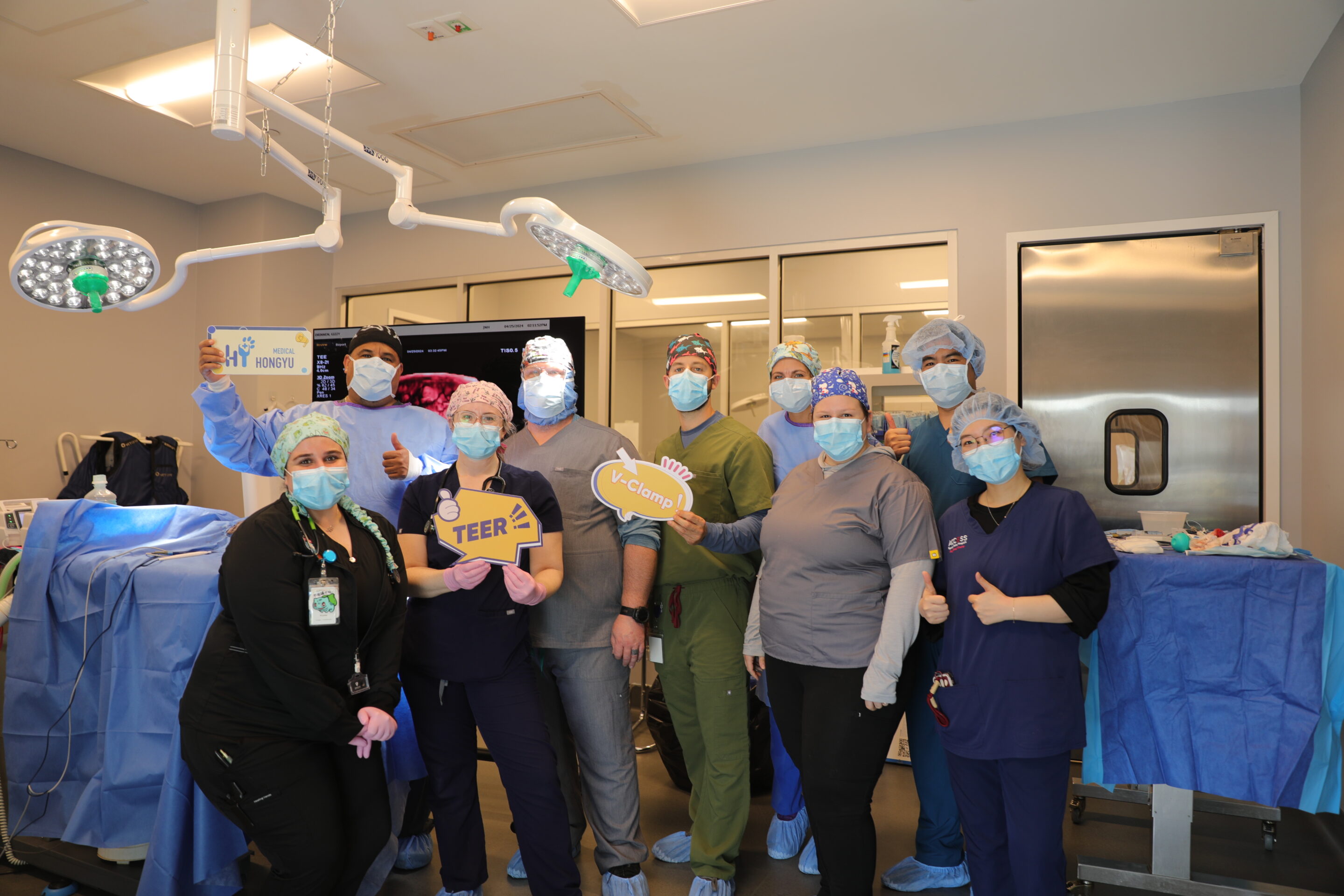
Sawgrass Veterinary Cardiology traveled to Shanghai, China in July 2023 to learn the TEER procedure from Hongyu Medical, the company that developed the device. We were the first team to travel back into China to learn the procedure after COVID. While there, we completed 25 procedures and were successfully granted approval to perform the procedure in the United States.
We performed our first procedure in April 2024 and became the first TEER Center in the southeastern United States to successfully perform this procedure. In order to accomplish this, we work closely with board certified specialists in anesthesia, surgery, and critical care.
In February 2025, working alongside Hongyu Medical, we became the first group in the United States to perform a transapical mitral valve replacement in a dog. We have performed many TEER procedures since April 2024 and average 2-3 a month. We have had the honor of helping patients from all over the eastern United States. Additionally, due to our close involvement with Hongyu Medical, we have been trusted to be 1 of only 2 TEER device (V-Clamp) distribution centers in the United States.


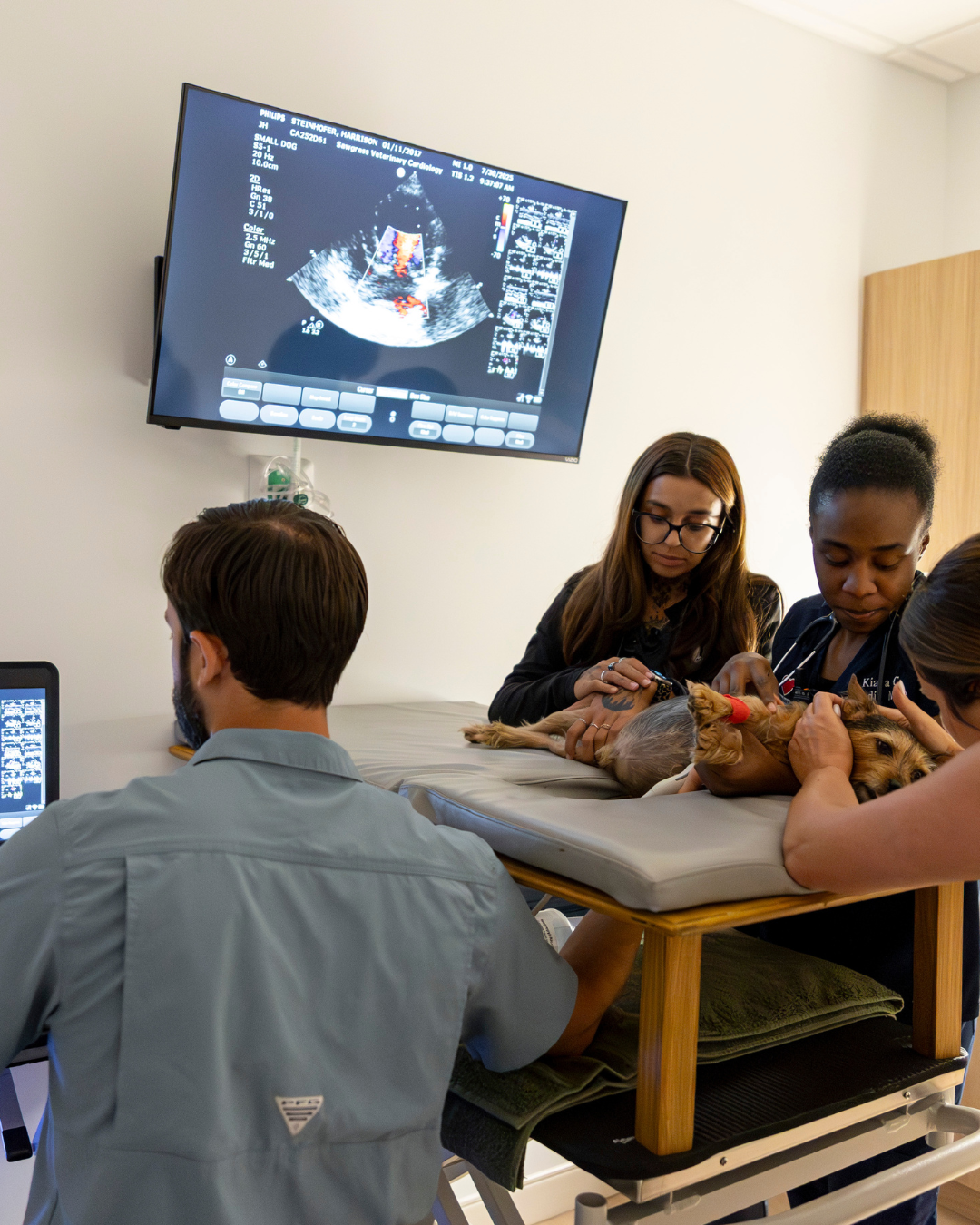
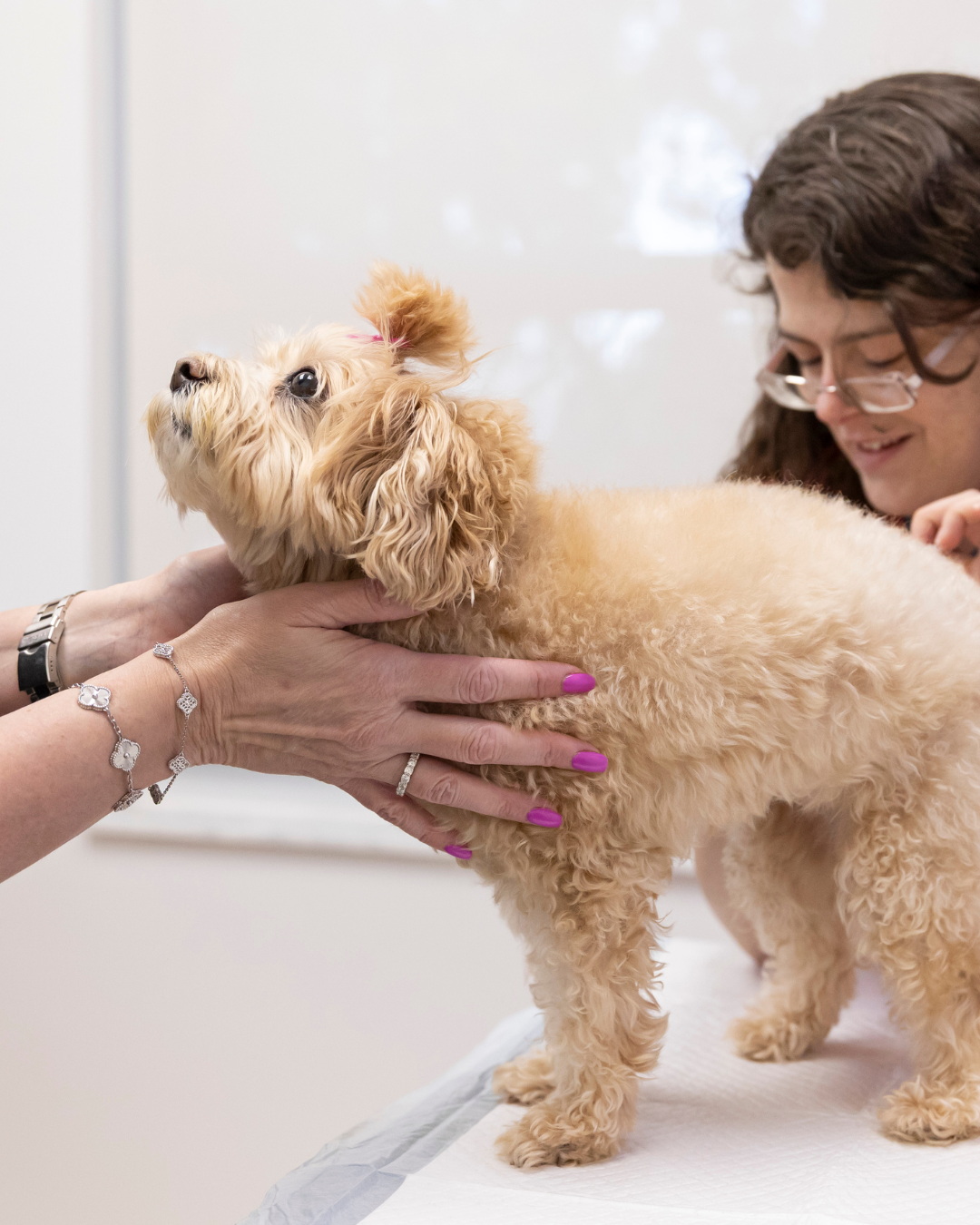
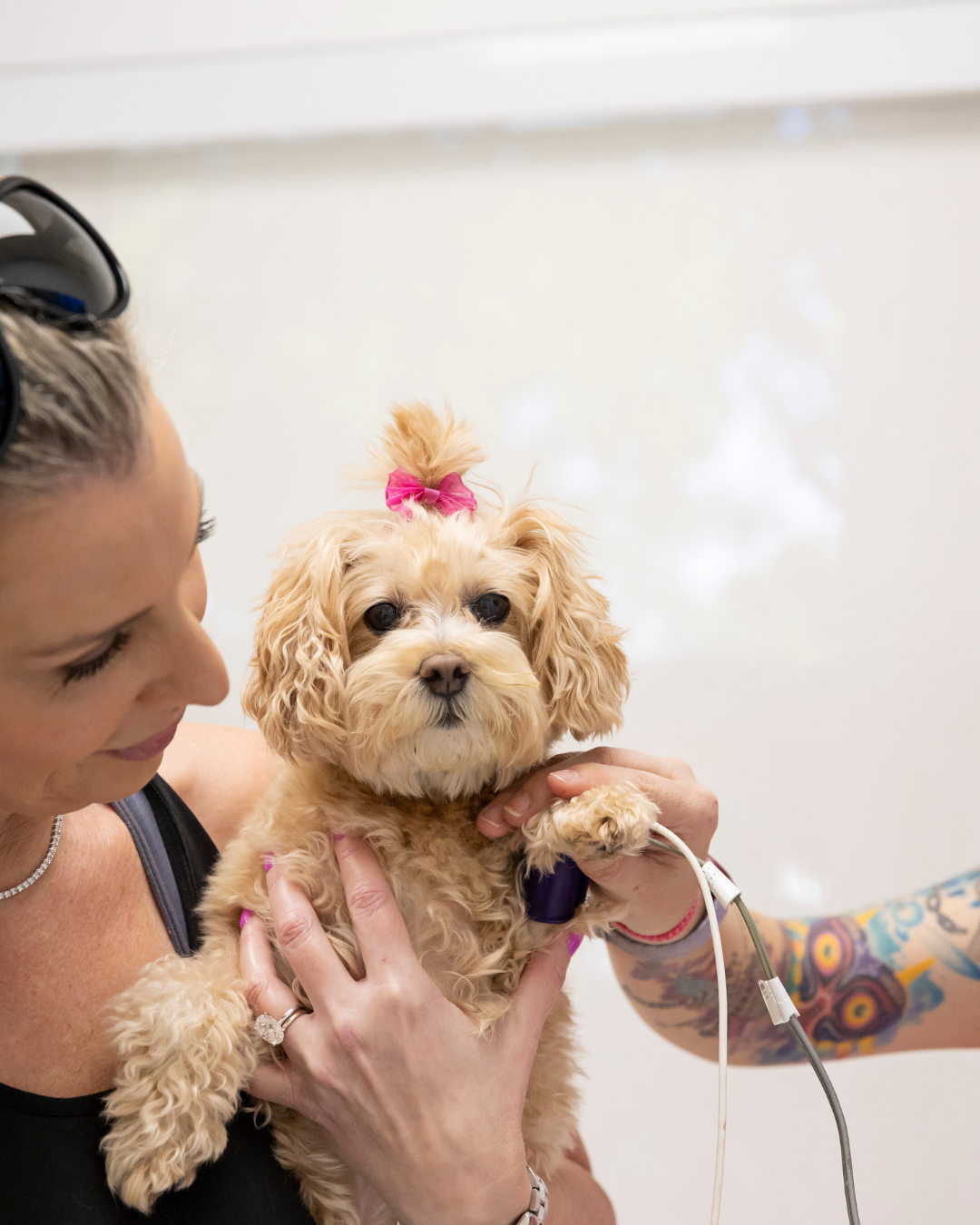
Understanding the TEER Procedure
If your dog has been diagnosed with Myxomatous Mitral Valve Disease (MMVD), you’re not alone – it’s the most common heart condition in dogs, especially in small to medium breeds. Over time, this condition can cause the mitral valve in the heart to leak, forcing the heart to work harder and eventually leading to heart failure. Symptoms may include coughing, fatigue, labored breathing, or a reduced quality of life.
At Sawgrass Veterinary Cardiology, we offer the TEER Procedure – a minimally invasive option that repairs the mitral valve and helps restore more normal heart function.
Why Consider the TEER Procedure?

More Comfortable Days
Helps reduce symptoms like coughing, tiredness, and shortness of breath

Less Invasive
Avoids the complexity and longer recovery of open-heart surgery

More Time Together
TEER adds not just years to your pet’s life, but good years with better energy, comfort, and connection.

Care You Can Trust
Our team has deep experience in cardiac care and will guide your dog’s treatment with compassion, precision, and heart.
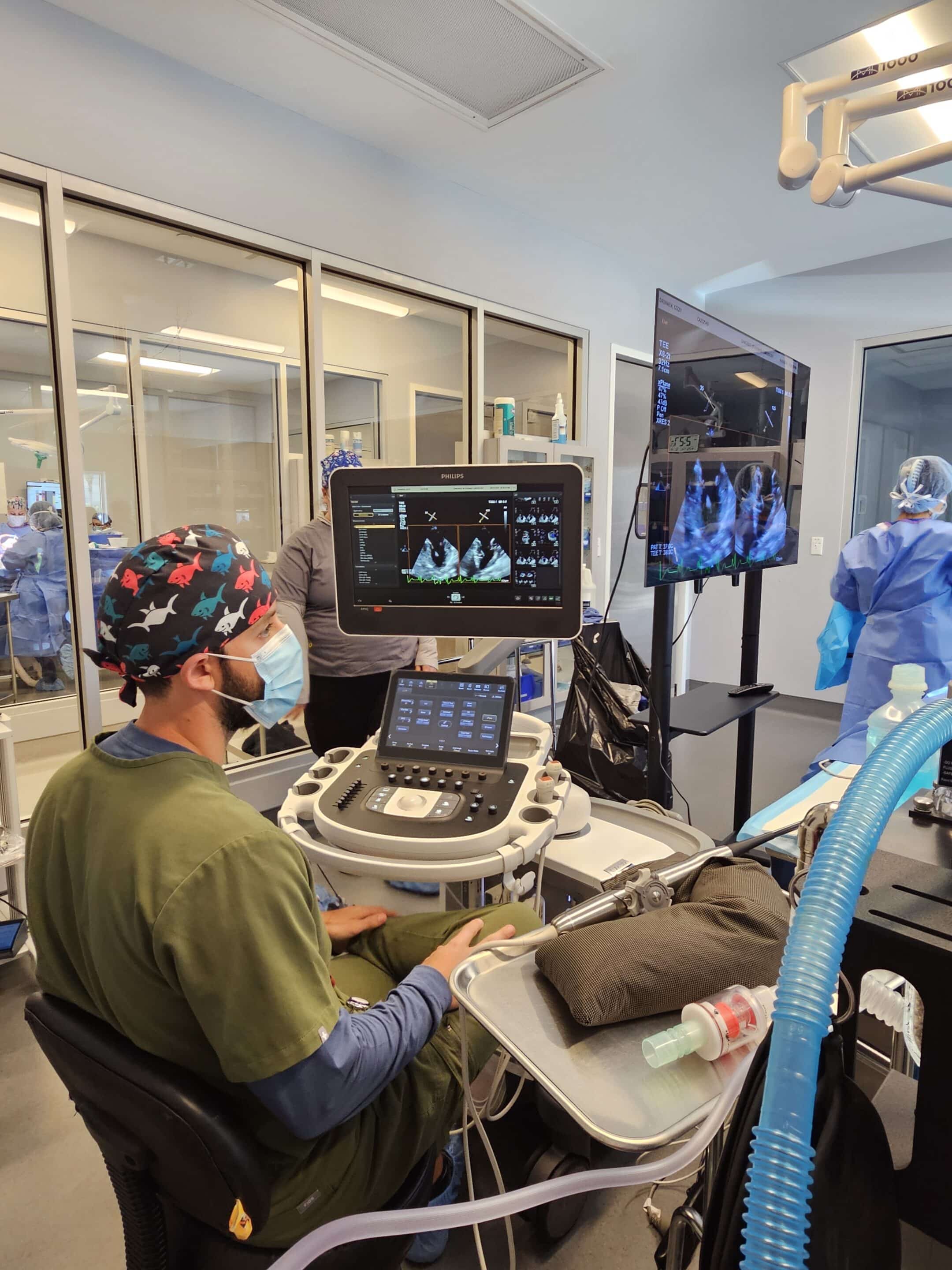
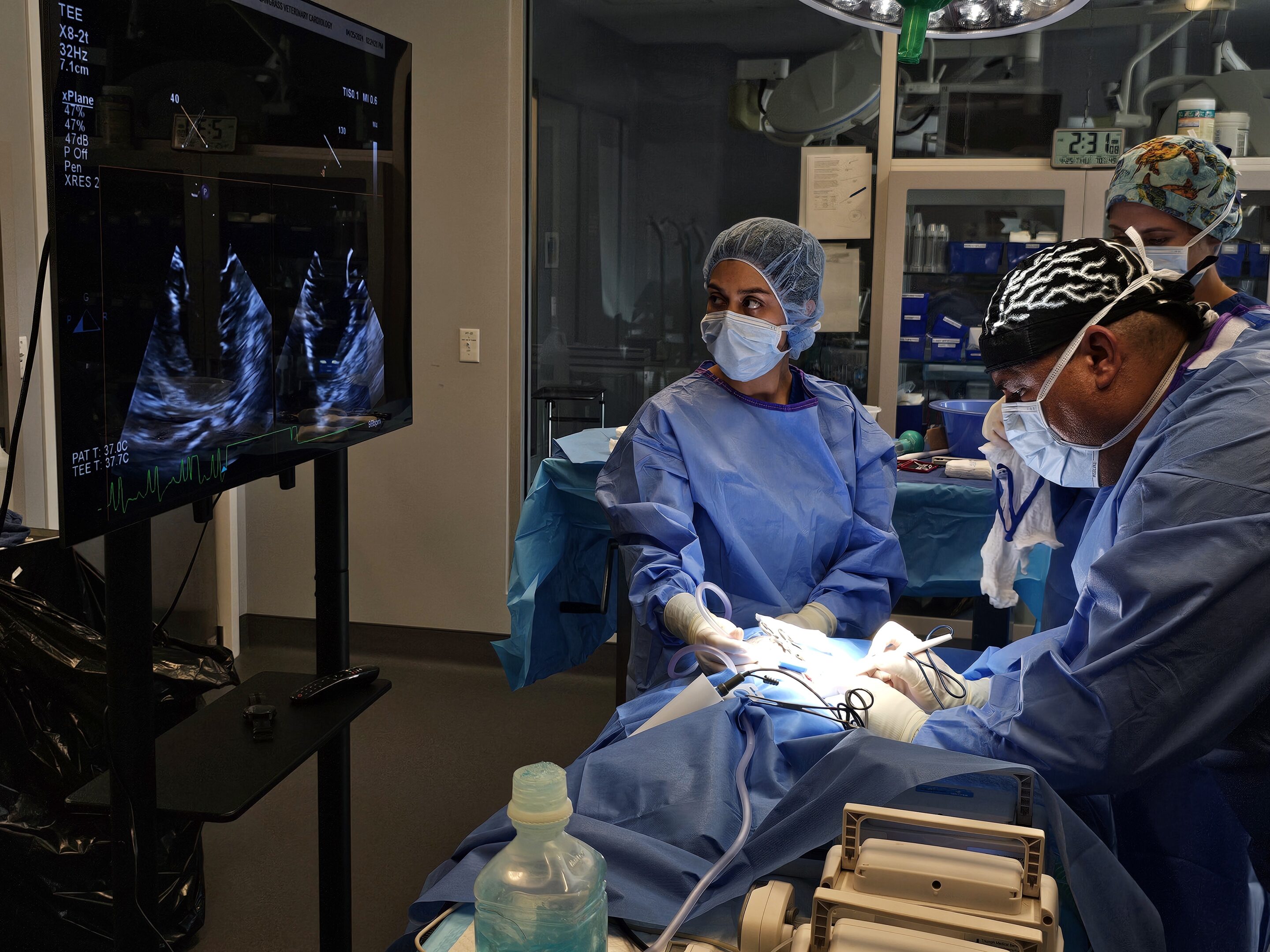
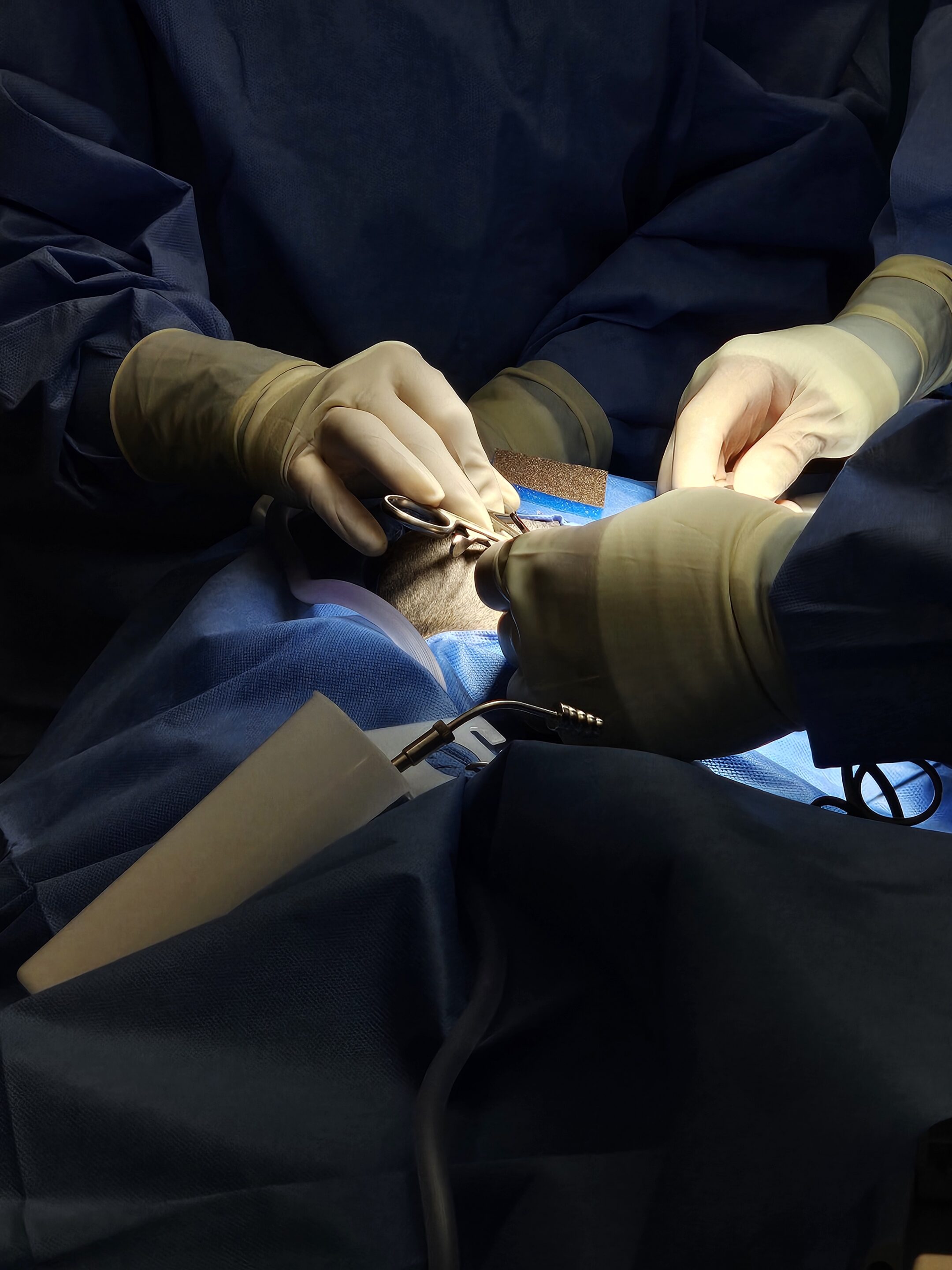
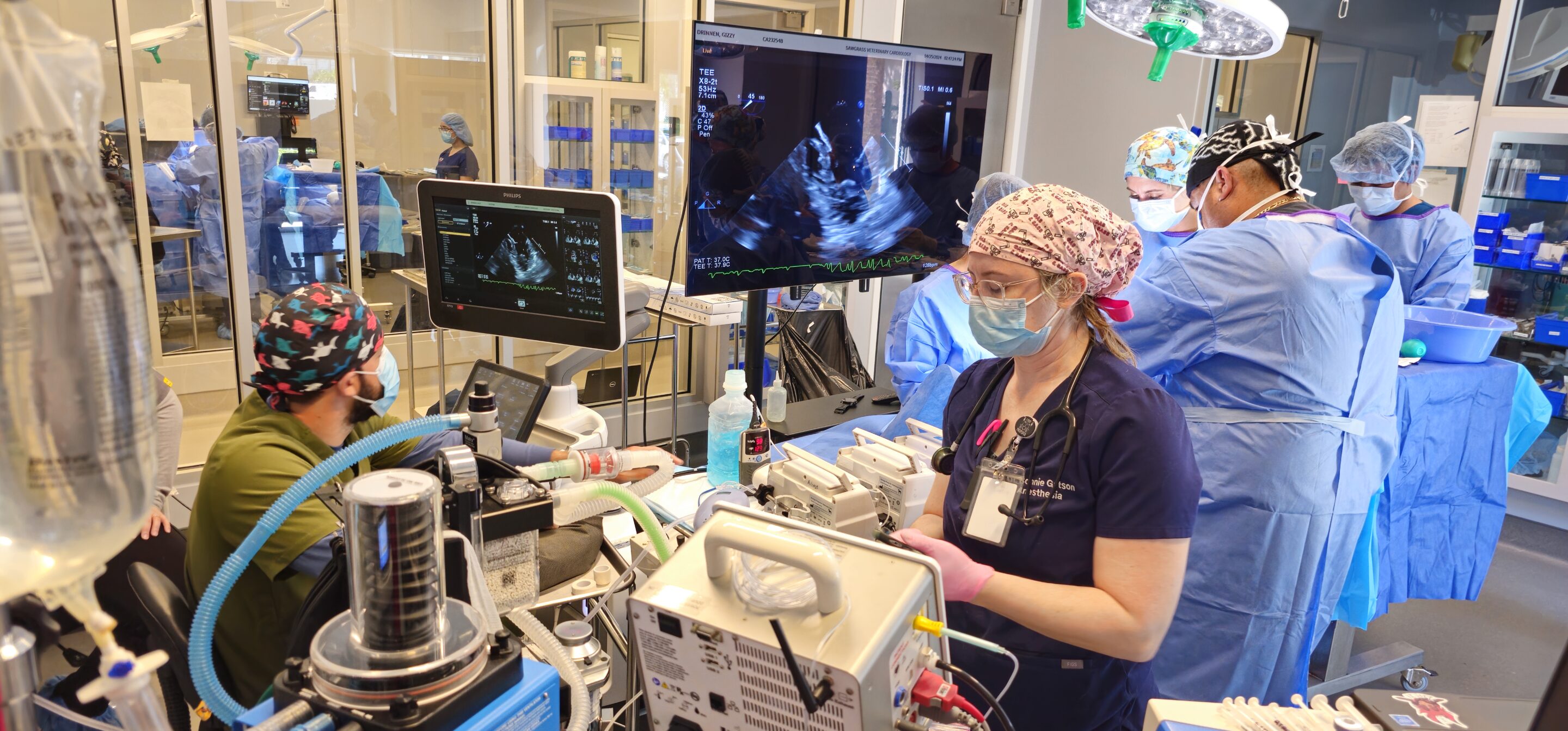
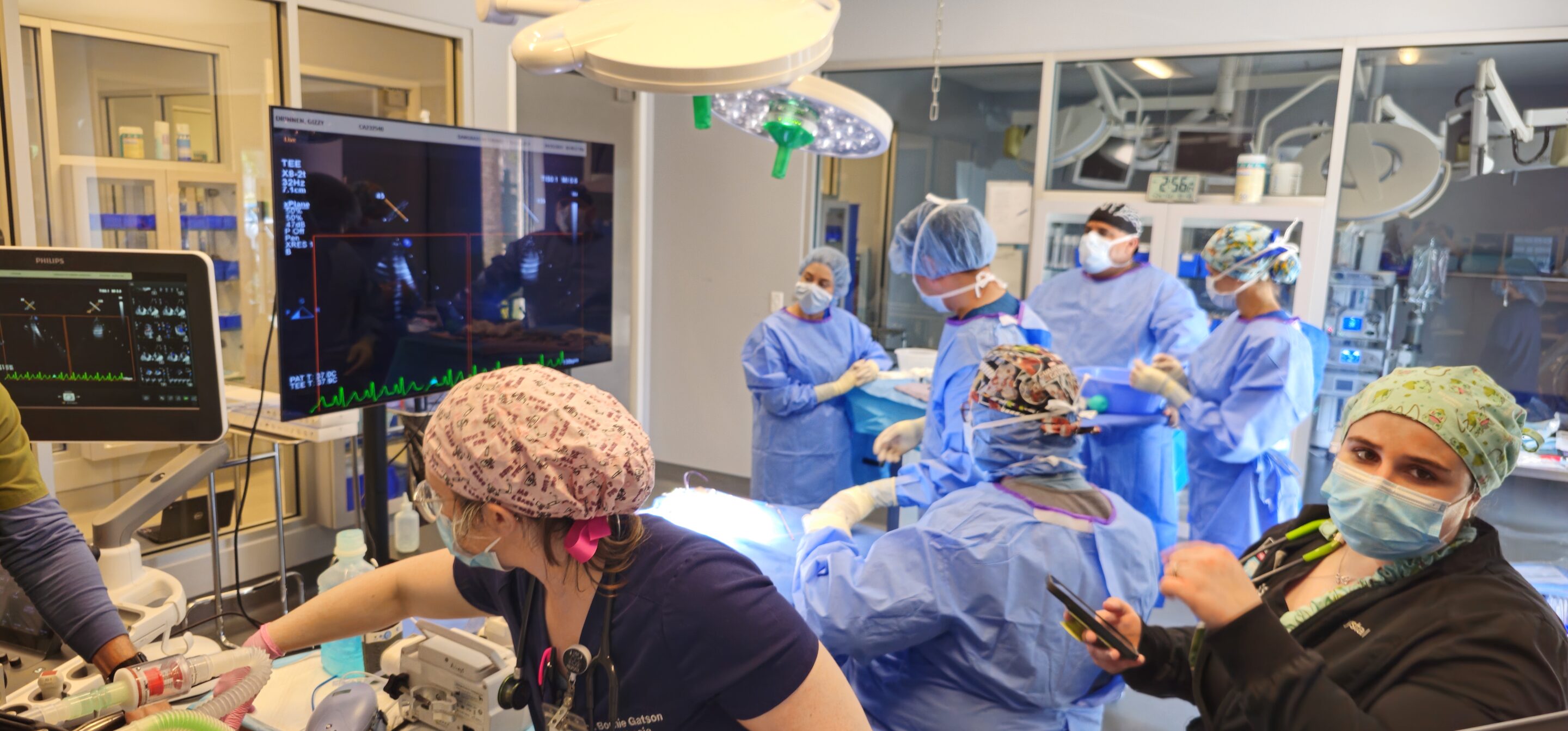
How the TEER Procedure Works
We know how important it is to understand what’s involved in your dog’s care. Here’s a simplified explanation of what happens during the TEER procedure:
1. Preparation
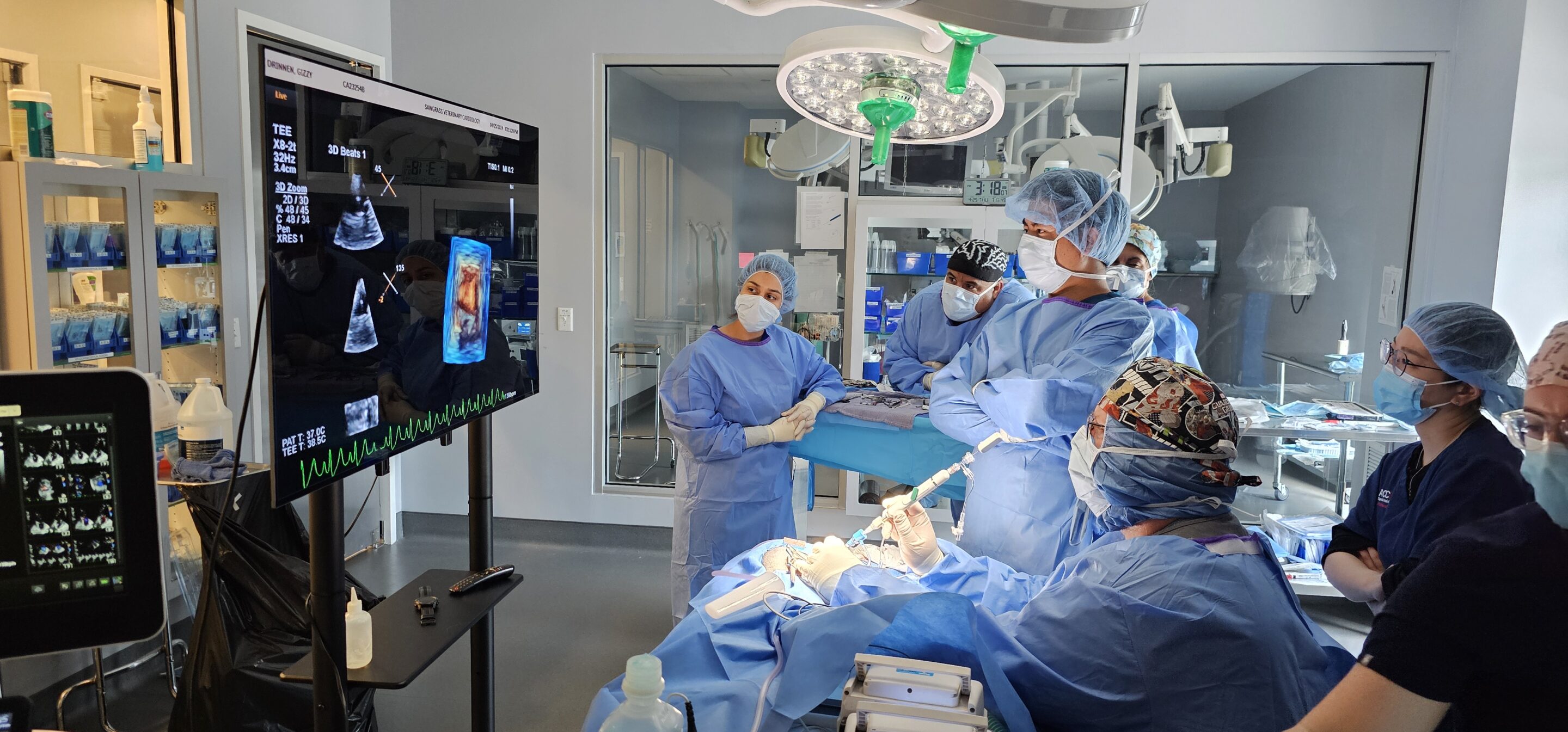
Your dog is placed under general anesthesia to ensure they’re completely comfortable and pain-free. Throughout the procedure, a team of specialists – including a veterinary cardiologist, surgeon, anesthesiologist, and trained technicians – will monitor their vital signs closely.
2. Accessing the Heart
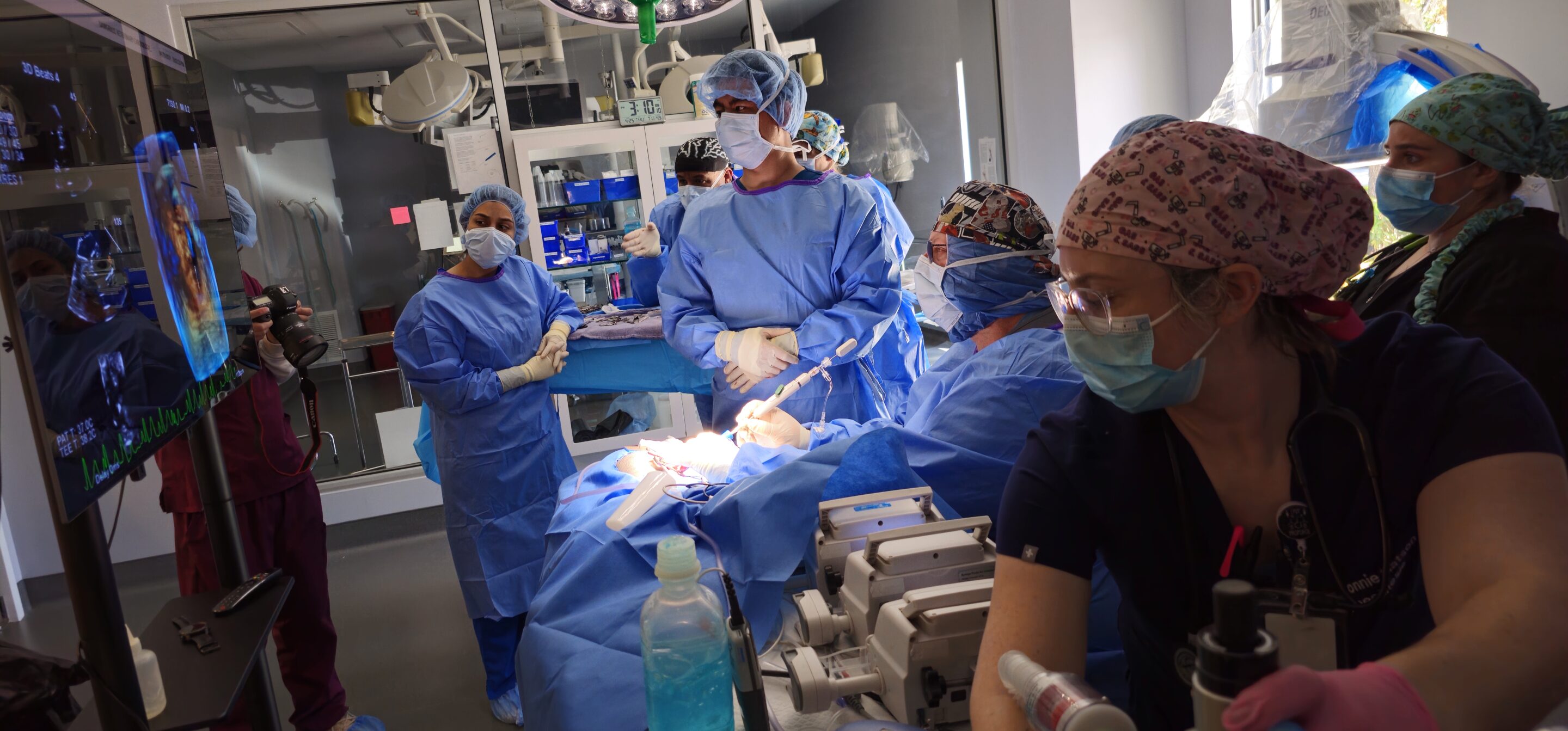
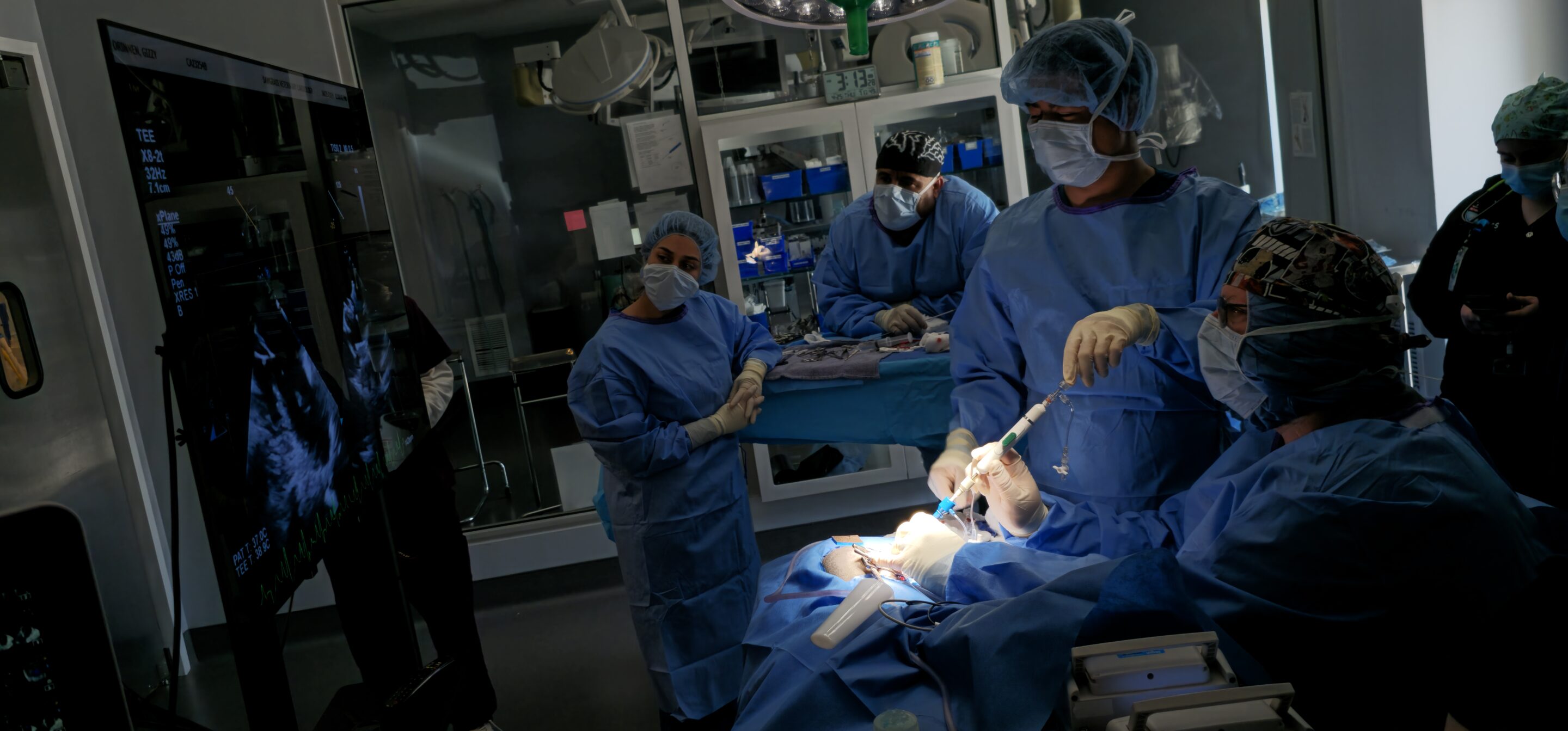
A small incision is made into the chest between the ribs to allow visualization of the heart. A catheter (like a thin, flexible tube) is then inserted into the heart to guide the v-clamp system across the mitral valve.
3. Guiding the Device
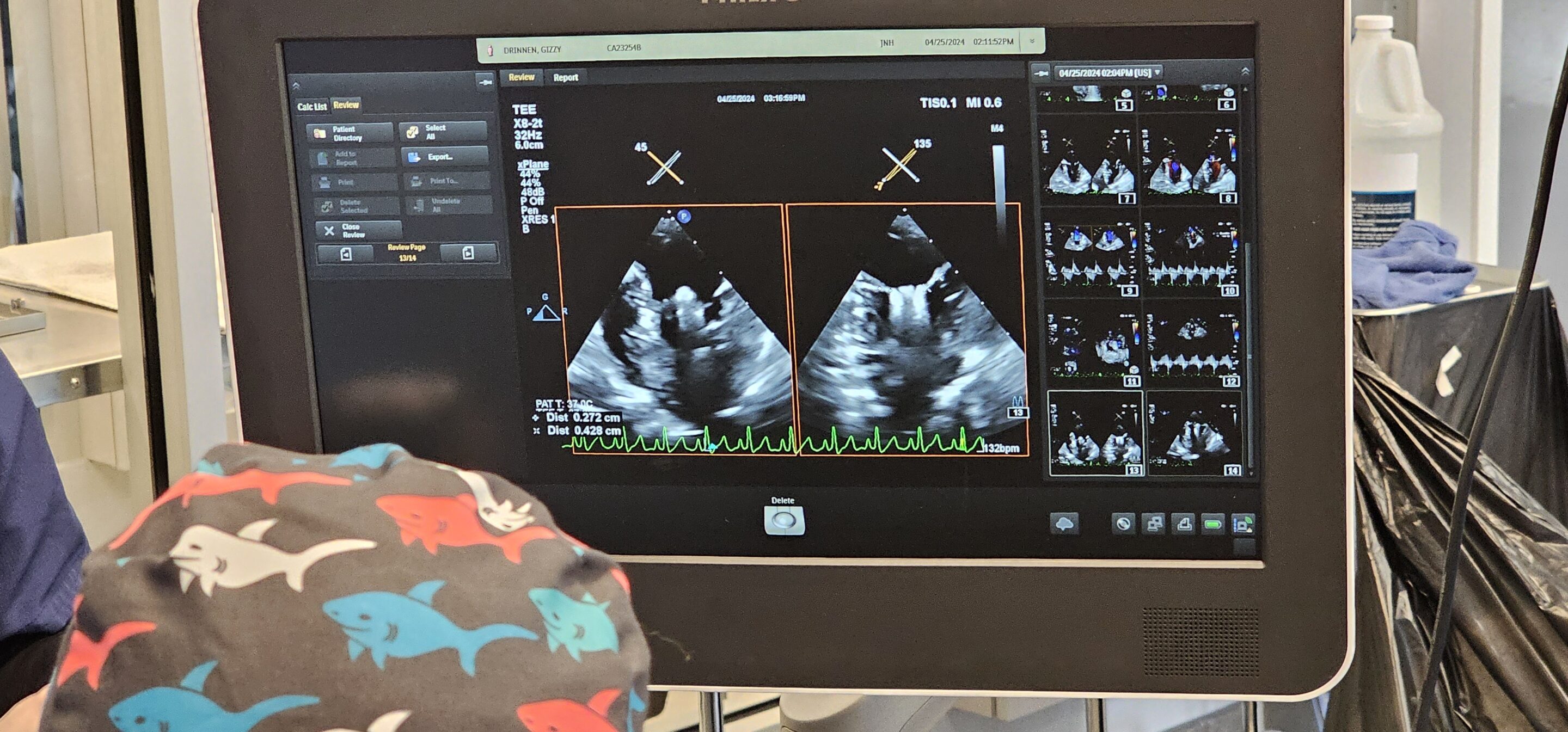
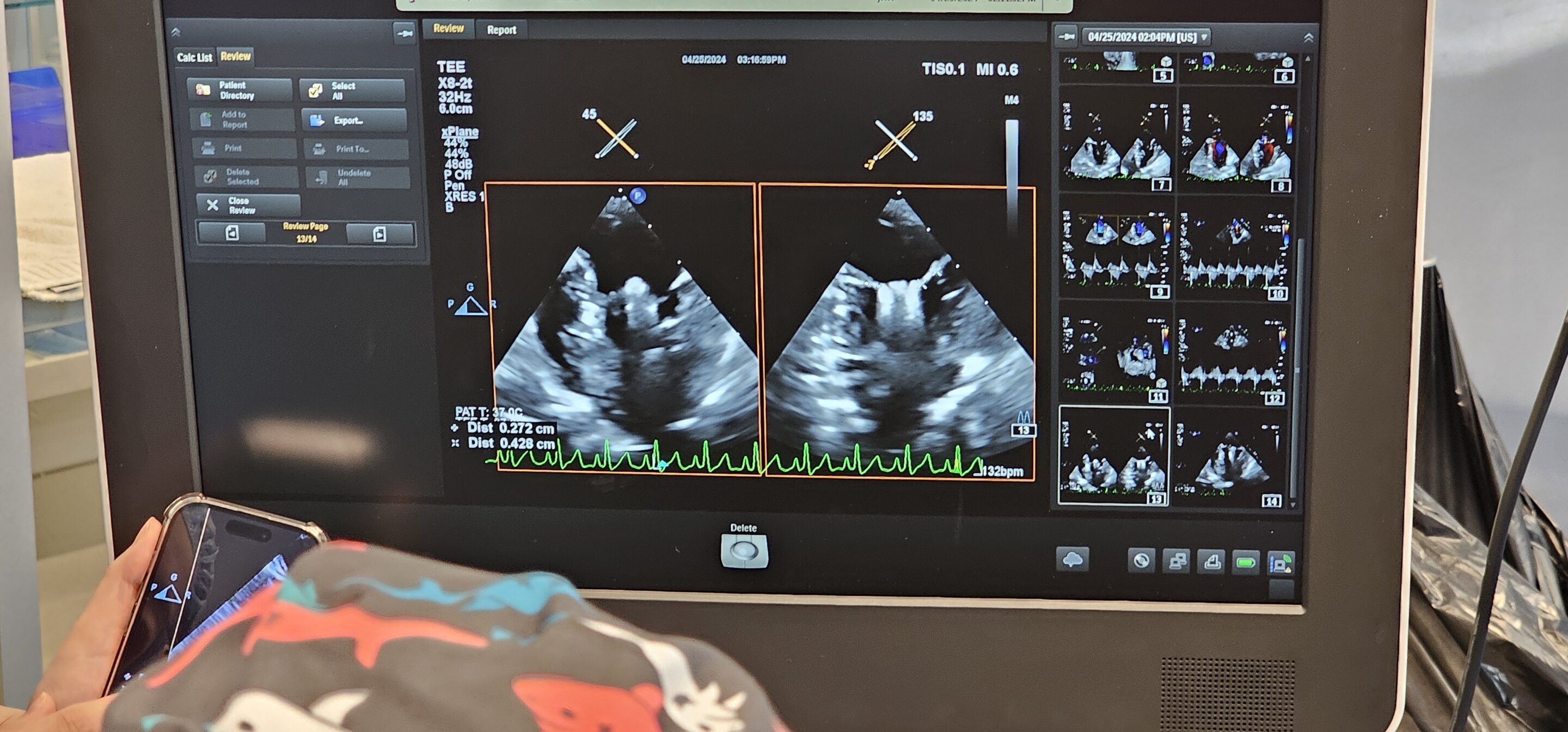
Using advanced ultrasound and X-ray imaging, our team guides the catheter across the mitral valve with precision.
4. Valve Repair
A device known as the V-Clamp is passed through the catheter and positioned to repair the leaking mitral valve. It gently brings the valve edges closer together, reducing backward blood flow regurgitation.
5. Final Steps
Once the repair is complete, the catheter is removed, and the incision is closed. Your dog is gradually woken from anesthesia and monitored with round-the clock care during recovery.
6. Recovery
Most patients stay in hospital for a short period so we can ensure everything is progressing smoothly. We’ll guide you through the next steps in your dog’s care once they’re ready to go home.
Think of it like a small, precise stitch inside the heart — a way to help the valve work better, so your dog can breathe easier and feel more like themselves again.
TEER Procedure FAQ
What is the TEER procedure in dogs?
The TEER procedure is a minimally invasive intervention used to reduce mitral valve disease (MMVD) in dogs by using a catheter-based approach to treat issues with the heart valves.
When is the TEER procedure recommended for dogs?
The TEER procedure is recommended when a dog has stage B2 or early stage C mitral valve disease.
What heart conditions can the TEER procedure address in dogs?
The TEER procedure is primarily used to treat mitral valve regurgitation associated with MMVD in dogs.
How does the TEER procedure work?
During the TEER procedure, a small incision is made between the ribs to expose the heart. A catheter is then placed directly into the heart which allows a device to be used to repair the mitral valve by connecting the 2 edges of the valve together, effectively reducing the leak.
Is the TEER procedure performed under anesthesia?
Yes, the procedure is performed under general anesthesia to ensure the dog remains comfortable and immobile during the surgery.
Who is qualified to perform the TEER procedure on dogs?
Only veterinary cardiologists who have undergone advanced training with Hongyu Medical (the company that developed the TEER device) or another certified TEER Center are allowed to perform the procedure on dogs.
How long does the TEER procedure typically take to complete?
Overall anesthetic procedural time is ~ 90 minutes with device positioning and deployment taking approximately 30 minutes.
What is the success rate of the TEER procedure in dogs?
Currently the TEER procedure is successfully completed in 95% of patients and this procedure will often provide significant improvement in a dog’s quality of life and can extend their lifespan.
What are the potential risks and complications associated with the TEER procedure?
Risks may include infection, bleeding, arrhythmias, or device-related issues. This risks and others will be discussed during the initial evaluation.
How long is the recovery period for dogs after the TEER procedure?
Recovery time varies but typically involves restricted activity for 4 to 6 weeks or until the V-clamp heals in position. Patients will also require post-operative monitoring having recheck evaluations with a veterinary cardiologist at 2 weeks, 1 month, 3 months, 6 months, and 12 months postop.
Can all dogs with heart conditions undergo the TEER procedure?
No, the suitability of the TEER procedure depends on the specific heart condition and the dog’s overall health, as well as the anatomy of the mitral valve. Your veterinary cardiologist / TEER Center will assess eligibility.
Are there any age or size restrictions for dogs undergoing the TEER procedure?
Age and size can be factors, but the dog’s overall health and the severity of the heart condition are more important considerations. However, this procedure is generally recommended for patients less than 12 years of age and weighing between 4 and 15 kg (8.5 to 33 pounds).
Will my dog need follow-up appointments after the TEER procedure?
Follow-up with a veterinary cardiologist is recommended at 2 weeks, 1 month, 3 months, 6 months and 12 months postop to monitor for proper healing and recovery from the procedure. However, patients will likely need to have lifelong follow-up care for their cardiac condition.
What can I expect in terms of lifestyle changes for my dog after the procedure?
Depending on the success of the TEER procedure, your dog may experience improved energy levels and a better quality of life. However, some lifestyle changes, such as medication and restricted activity, may be necessary.
How can I monitor my dog's progress post-TEER procedure?
Regular check-ups, monitoring for symptoms, and adhering to the prescribed treatment / monitoring plan are essential for managing your dog’s progress.
Can the TEER procedure be combined with other treatments?
The TEER procedure is often combined with medical cardiac treatments in order to provide comprehensive care.
What is the cost of the TEER procedure for dogs, and is it covered by pet insurance?
The overall cost of the TEER procedure can vary but should be between $16,000-19,000. This cost is split into 2 groups or categories. First is the cost of the V-Clamp system which is ~$8500. The second is the cost of the pre-op evaluation, procedure, anesthesia, hospitalization, and follow-up care which is ~ $ 7,000-9,000. The severity of the patient’s condition and other factors may also increase the cost. Whether it’s covered by pet insurance depends on your specific policy and provider.
Are there alternative treatments for dogs with the same heart condition?
Yes, there are alternative treatments, such as medication and open-heart surgery. The best option for patients varies and optimal treatment of your pet’s cardiac condition should be discussed with your veterinary cardiologist.
How do I prepare my dog for the TEER procedure?
Your veterinary cardiologist will provide specific pre-operative instructions, which may include fasting your dog prior to the procedure.
Can the TEER procedure prolong a dog's life?
The TEER procedure has the potential to improve a dog’s quality of life and may extend their lifespan, especially when performed in the earlier stages of heart disease. However, individual results can vary.